PPyourmp3Hi-Res Player Reference
Android Hi-Res playback, documented

Local music, engineered for uncompromised output.

PPyourmp3 is a reference library for advanced offline Android audio playback — a 64-band parametric equaliser, a resampling-free Hi-Res output path up to 384 kHz / 32-bit, bit-perfect USB DAC routing with Direct Volume Control, and gapless decoding for more than thirty container and codec combinations. Everything here is explanatory documentation: no downloads, no licences, no checkout.

64EQ bands
384 kHzMax output rate
32-bitInternal precision
100%Offline library
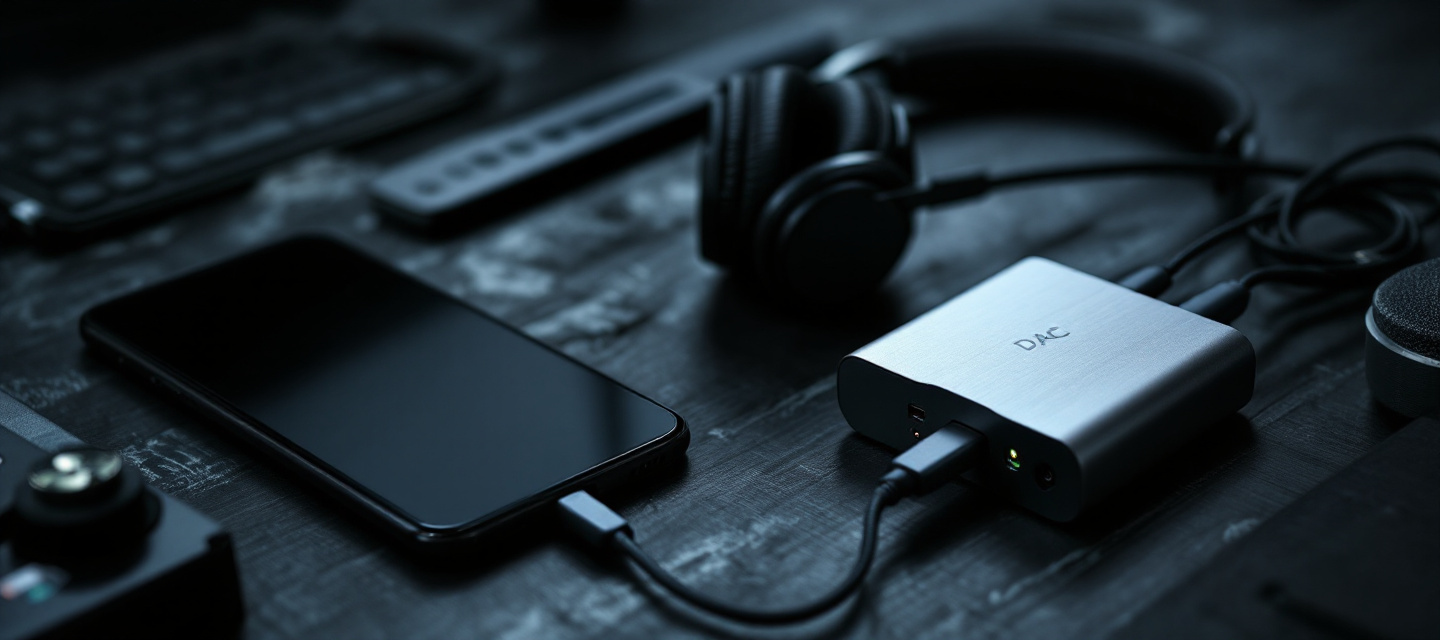
Smartphone on a slate desk connected to a portable USB DAC and open-back studio headphones
Core capabilities

What an advanced player actually controls

A modern Android music player is not a single feature but a chain of decisions: how a file is decoded, how it is processed, how gain is applied, and where the final samples leave the device. These are the areas PPyourmp3 documents in detail.

64-band parametric EQ

Fully parametric filters with adjustable frequency, gain and Q, plus a classic 10-band graphic mode and per-output presets.

  • Low/high shelf and peaking filters
  • Independent preamp per preset
  • Auto-assign presets to headphones or DAC

Hi-Res output path

Native sample-rate output up to 384 kHz where the device or attached DAC allows it, avoiding needless resampling stages.

  • 32-bit internal processing headroom
  • Optional dithering on downconversion
  • Per-output rate and buffer configuration

USB DAC with DVC

Direct USB audio output bypasses the system mixer, while Direct Volume Control applies attenuation in the digital domain without discarding resolution.

  • Bit-perfect mode for supported devices
  • Hardware volume passthrough where available
  • Detailed per-device output logs

Gapless & crossfade

True gapless decoding for live albums and DJ mixes, with configurable crossfade curves, shuffle behaviour and ReplayGain handling.

  • Album- and track-based ReplayGain
  • Cue sheet awareness
  • Smooth pause and seek fades

Offline library engine

Folder-first and tag-first browsing, fast scanning of large SD-card collections, playlist import and a built-in tag editor.

  • M3U, M3U8 and PLS playlists
  • Embedded and folder artwork
  • Multi-storage and OTG volumes

Low battery overhead

Efficient native decoders and adaptive buffering keep long listening sessions light on power while the screen stays off.

  • Large read buffers for spun-down storage
  • Visualiser disabled when idle
  • No background streaming traffic
How the audio engine works

From stored file to analogue output, in four stages

Understanding the order of operations explains why one setting changes the sound and another does not. Each stage below happens once per audio buffer, hundreds of times per second.

Decode

The native decoder unpacks the container and codec into linear PCM at its original sample rate and bit depth. Lossless files are reconstructed exactly; lossy files are expanded to their encoded resolution.

Process

Samples enter 32-bit floating-point space where the parametric equaliser, tone controls, stereo balance, limiter and ReplayGain preamp are applied with generous headroom to avoid clipping.

Rate & volume

The engine chooses an output rate that matches the source where the hardware permits it, then applies Direct Volume Control digitally instead of routing through the operating system mixer.

Deliver

The finished stream is handed to the selected output: internal DAC, Bluetooth codec, or a USB audio device claimed in exclusive mode for bit-perfect delivery.

USB DAC & Direct Volume Control

Why external output behaves differently

When an external digital-to-analogue converter is attached, the player can claim the USB audio interface directly. The Android mixer, its resampler and its volume curve are removed from the path — which is both the advantage and the reason a few settings need attention.

  • Exclusive claim. Only one application can hold the interface, so notification sounds are muted while playback is active.
  • Hardware keys. Physical volume buttons act on DVC attenuation or on the DAC's own hardware volume, depending on the device's capabilities.
  • Bit-perfect mode. With processing bypassed, samples are transmitted unmodified — no EQ, no ReplayGain, no volume scaling.
  • Power budget. Bus-powered converters draw current from the phone; a powered hub or a DAC with its own battery reduces the drain.
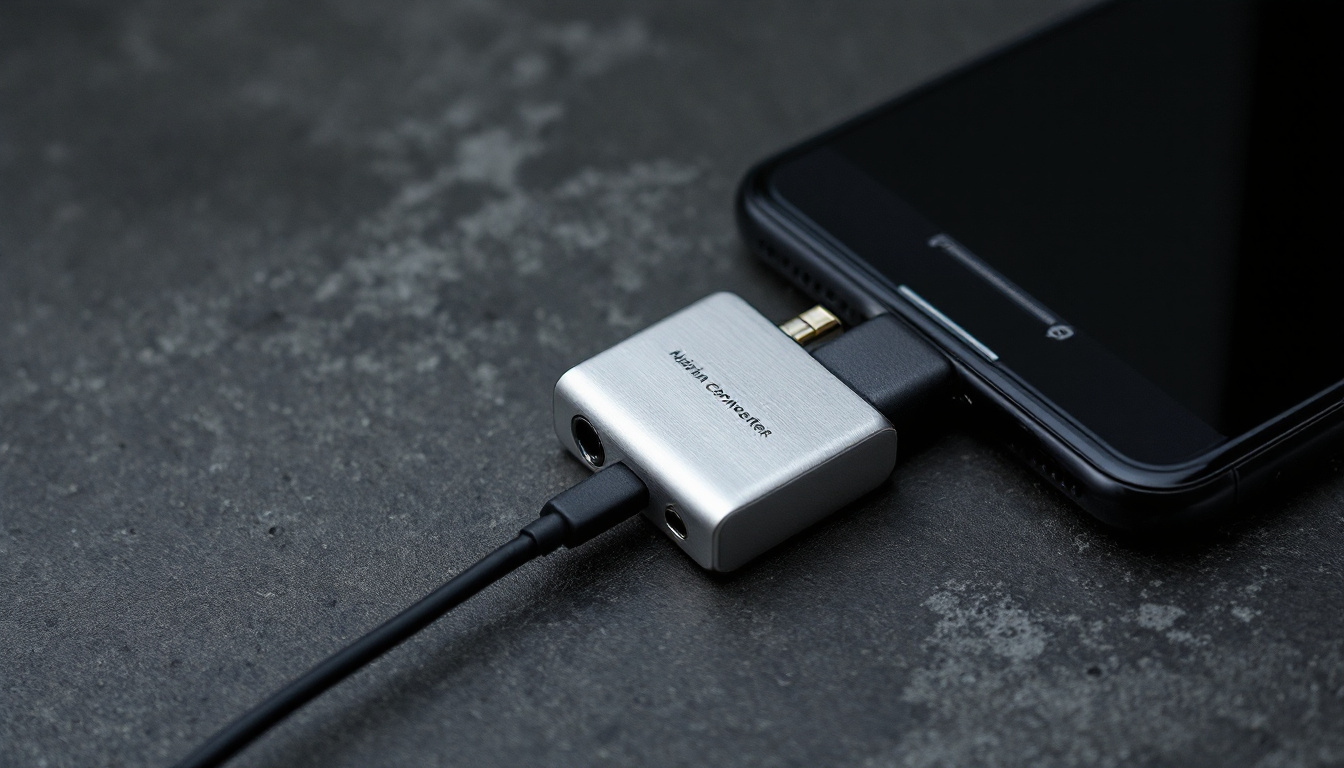
Brushed metal portable digital-to-analogue converter connected to a phone on a dark surface
Playback modes compared

Four output paths, four sets of trade-offs

The same library can sound noticeably different depending on how it leaves the device. This table summarises what each route can and cannot do.

Output pathTypical ceilingEqualiserVolume handlingBest suited to
Internal DAC (3.5 mm)48–192 kHz, device dependentFull 64-bandSystem curveEveryday listening with efficient headphones
Bluetooth codecCodec limited, lossy in most casesFull 64-bandAbsolute or relative, per deviceWireless convenience, commuting
USB DAC with DVCUp to 384 kHz / 32-bitFull 64-bandDigital attenuation with headroomDemanding headphones and desktop rigs
USB DAC, bit-perfectNative file rate, unalteredBypassedHardware onlyReference listening and measurement
Supported formats

Codecs, containers and visual output

A broad decoder set means a collection built over two decades stays playable without conversion — from ripped CDs and lossless archives to high-rate studio masters.

Lossless

FLAC, ALAC, WAV, AIFF, APE, WavPack, TTA and TAK, including high-rate and multi-channel-to-stereo material.

Lossy

MP3, AAC and HE-AAC, Ogg Vorbis, Opus, Musepack, WMA and standard MP4/M4A containers.

DSD family

DSF and DFF files, played through conversion to PCM or passed natively to converters that accept a DoP stream.

Playlists & cues

M3U, M3U8 and PLS import, single-file albums with cue sheets, plus embedded chapter and gapless metadata.

Tags & artwork

ID3v1/v2, Vorbis comments, APE tags and MP4 atoms, with embedded cover art or folder-level images.

Visualisations

Spectrum and waveform displays plus Milkdrop-compatible presets rendered from the live audio stream.
Glossary & key facts

The vocabulary behind the settings screen

Short, practical definitions of the terms used throughout this reference.

Term

Hi-Res audio

Material with a sample rate above 48 kHz or a bit depth above 16, commonly 96 kHz / 24-bit and upward.

Term

DVC

Direct Volume Control: attenuation applied inside the player's 32-bit path rather than by the operating system.

Term

Bit-perfect

Output in which every decoded sample reaches the converter unchanged, with all processing disabled.

Term

Parametric EQ

An equaliser whose filters expose centre frequency, gain and bandwidth (Q) instead of fixed sliders.

Term

Gapless

Playback in which the next track's decoder is primed in advance so no silence appears between joined tracks.

Term

ReplayGain

Metadata describing a track or album's perceived loudness, used to equalise level without re-encoding.

Term

DoP

DSD over PCM: a transport method that carries a DSD stream inside a standard PCM USB frame.

Term

Cue sheet

A companion text file that defines track boundaries inside one long lossless image of an album.

Questions

Frequently asked

Does PPyourmp3 sell software or process payments?

No. niherye.space is an informational and educational reference. There is no store, no checkout, no subscription and no download hosting here. We describe how advanced Android playback works and what the terminology means.

Is an internet connection required for playback?

The playback model documented here is entirely local. Files are read from internal storage, an SD card or an OTG volume, so a flight-mode device performs identically to a connected one. No streaming catalogue is involved.

Will the 64-band equaliser drain the battery?

Filter processing is measurable but small compared with the screen and radios. The heaviest consumers during a listening session are display time and animated visualisations; with the screen off, decoding plus equalisation remains a modest fraction of total draw.

Why does the equaliser stop working in bit-perfect mode?

Because bit-perfect means exactly that: samples are handed to the converter untouched. Any equalisation, ReplayGain scaling or digital volume change would modify them, so those stages are bypassed by design. Use DVC mode when you want processing.

Do I need root access for Hi-Res or USB output?

No. High sample-rate output depends on the hardware and firmware of the phone or the attached converter, and USB audio uses the standard Android USB host permissions. Rooting is not part of the workflow described here.

Can DSD files be played on any phone?

DSD content can always be converted to PCM for output, which works everywhere. Native DSD transport over DoP requires a converter that advertises support for it, and a cable path capable of the required bandwidth.

Keep reading the reference

Learn how the PPyourmp3 audio engine was designed around offline playback and low power use, or write to our documentation desk with a technical question about output paths, formats and equalisation.